
 1430 N Arlington Heights #200,
 (847) 255-3020
 Request Appointment
 Patient Forms
 Pay Online
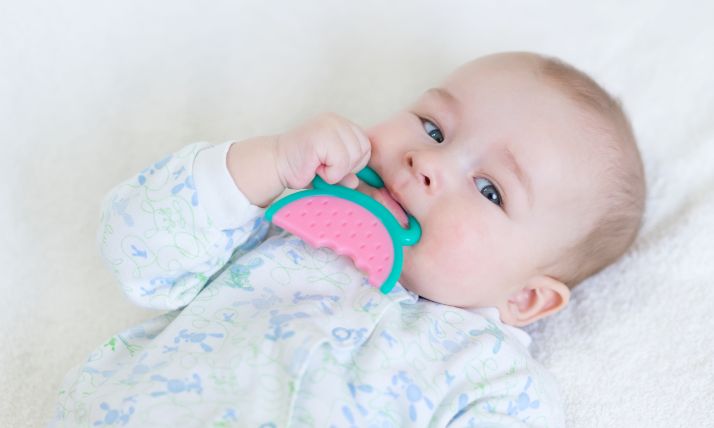
When your baby is teething, it can sometimes feel as though it’s as difficult to watch them suffer as it is for them to actually cut their teeth. However, the good news is that one time-honored solution that parents have relied on, teething rings, can often make this transition easier for everyone! Here’s a closer look at these handy devices, and how to choose the right one for your baby’s growing grin!
How to Choose the Right Teething Ring
Teething rings have been providing comfort to babies and toddlers since the late 1700’s, when wealthy parents first began gifting their infants’ circles of precious metals like silver and gold to gnaw on as their primary teeth erupted. With time, these devices became more affordable for the average family and were made in a variety of materials including rubber and plastic, which conveniently enough worked much better than their more expensive counterparts.
Today, they are made from a diverse range of products, including silicone, bamboo, rubber, wood, and plastic, each of which are considered safe for babies. In fact, the American Academy of Pediatric Dentistry recommends using them to help soothe children’s tender and inflamed gums during tooth eruption. However, they also recommend avoiding rings that are filled with fluids or water, as these can not only easily tear, but they can also be very challenging to clean.
Ensuring Your Child Uses Their Teething Ring Safely
If you’re interested in letting your little one try a teething ring, be sure to do so safely, and follow these tips for best results:
- Never freeze a teething ring, as it can get too cold and hurt your baby’s gums. Instead, keep them chilled in the refrigerator.
- Each ring should come with proper cleaning instructions on the packaging depending on the materials. Be sure to follow them as closely as possible. If you ever have questions or concerns about the safety or cleanliness of a teething ring, simply throw it away and buy a new one.
- Don’t let your child share teething rings or pacifiers, even with siblings, and never allow them to be shared with pets!
- Should your child’s teething ring become damaged, throw it away immediately. Sometimes it helps to buy them in pairs, so you’ll always have a spare on hand in case of emergency.
- Never tie or pin your child’s teething ring to their clothing or around their neck.
- Do not use amber teething necklaces, as they’re both a choking and strangulation hazard!
Remember, your pediatric dentist and the AAPD recommend using teething rings to help soothe dental discomfort when your baby is cutting teeth. If you need help selecting one of these time-tested devices, feel free to let their dental team know and they’ll be happy to assist you. In the meantime, be sure to follow the above guidelines, and be sure to schedule your little one’s first dental appointment after their first tooth emerges or their first birthday- whichever happens sooner.
About Our Practice
At Arlington Heights Orthodontic & Pediatric Dentistry, our team of kind, caring, and talented dentists wants to help protect your baby’s growing grin. Whether they’re cutting their first tooth, or they’re ready to return for their regular checkup and cleaning, we’re here to assist you. To book your child’s appointment for pediatric dentistry, visit our website or call us today at 847-255-3020.


